VR‑Assisted Therapy
In‑person service in Brampton only.
VR‑assisted exposure therapy uses virtual reality to support exposure work in a controlled, therapist‑guided setting. It is one way of delivering exposure therapy when real‑world (in‑vivo) exposure is difficult to arrange or when a highly controlled practice environment is helpful.
Availability: (in‑person only in Brampton). If you’re interested, request a free 15‑minute phone/video consultation
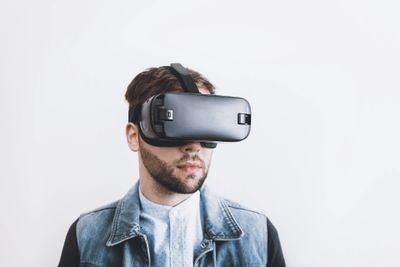
What is VR‑Assisted Exposure Therapy?
Exposure therapy is a psychological treatment developed to help people confront fears and reduce avoidance patterns over time. Virtual reality can be used as a form of exposure (often called VRET) when in‑vivo exposure isn’t practical or needs more control over the scenario and intensity.
In VR‑assisted exposure therapy, a therapist helps you approach feared situations or triggers gradually, using a structured plan (often a graded “hierarchy”). The pace is collaborative and can be adjusted to match readiness, comfort, and clinical considerations.
Who Might It Be For?
VR‑based exposure approaches are most commonly studied for anxiety‑related concerns where avoidance plays a major role, such as specific phobias and social/performance anxiety. Research syntheses report that VR interventions can improve anxiety symptoms compared with passive controls, though results vary across conditions, study designs, and comparison treatments.
Examples of situations where VR‑assisted exposure may be used (depending on clinician competence and fit) include: fear of heights, fear of flying, fear of enclosed spaces, and practice in simulated social/performance situations. Exposure therapy is a recognized approach across a range of fear‑based concerns, and VR is one way to deliver exposure when real‑world exposure is not practical.
VR‑assisted exposure therapy is not the right fit for everyone, and it is typically one component of a broader therapy plan. Suitability is decided collaboratively and may change over time based on goals, response, and comfort.
What a VR‑assisted exposure session may look like
1) Clarify goals and identify avoided situations or triggers.
2) Build a graded exposure plan (starting easier and building gradually).
3) Practice exposures in VR while monitoring comfort and anxiety levels.
4) Use coping skills (e.g., grounding or paced breathing) between exposures.
5) Debrief and plan next steps for practice inside or outside sessions.
VR allows the therapist to control key features of the scenario (for example intensity, distance, duration, or repetition). This control can support structured practice and pacing, especially when real‑world exposure is not feasible or is difficult to standardize.
What does the research say?
Systematic reviews and meta‑analyses report that VR therapy and VR‑based exposure can reduce anxiety symptoms compared with passive control or waitlist conditions, while also noting variability in study quality and protocols. Some reviews suggest VR exposure can show similar effects to other active interventions in certain contexts, depending on the condition and study design.
Because VR protocols, hardware, and comparison treatments differ across studies, researchers also note the need for standardization and more high‑quality trials to clarify when and for whom VR exposure adds the most value.
Comfort and safety considerations
Some people experience “cybersickness” during or after VR use. Cybersickness can include nausea, dizziness, headache, eyestrain, disorientation, and fatigue. These effects can be influenced by headset factors, VR content, movement/locomotion, and exposure time.
Research reviews in psychiatry highlight that adverse‑effects reporting has sometimes been inconsistent across VR studies, which is why screening, monitoring, and clear informed consent are important in clinical use.
In practice, VR‑assisted exposure is typically paced, with options for breaks and adjustments (e.g., shorter exposure time or lower intensity) if discomfort occurs. Sessions should stop if symptoms become significant.
Suitability and informed consent
Before starting VR‑assisted exposure therapy, we review whether VR is appropriate for your goals, comfort, and safety. We also review benefits, limitations, and potential risks (including cybersickness) and confirm informed consent before proceeding
VR‑assisted exposure therapy is not an emergency service. If you are in immediate danger, call 911.
Copyright © 2026 Soulful Oasis Wellness - All Rights Reserved.